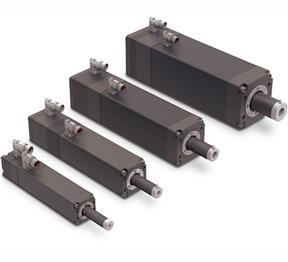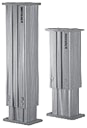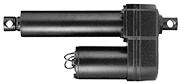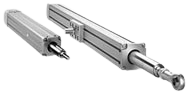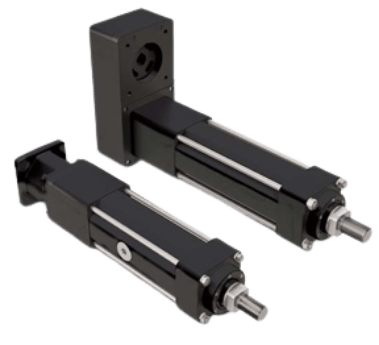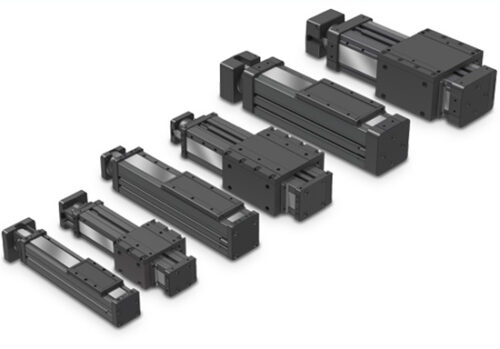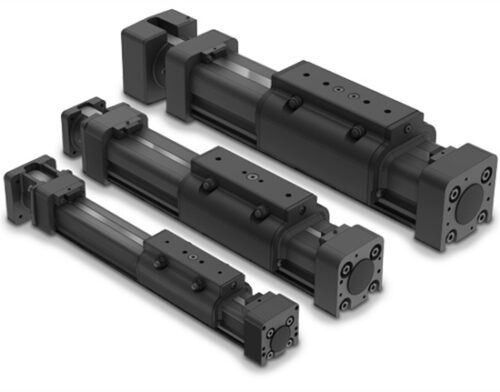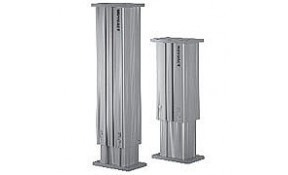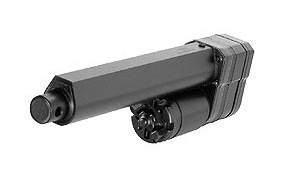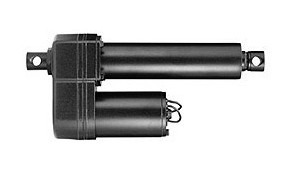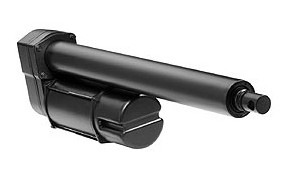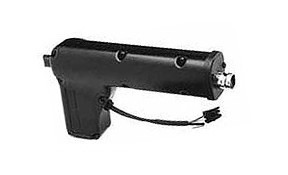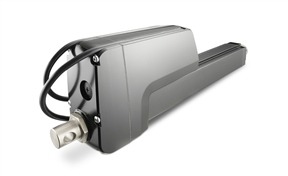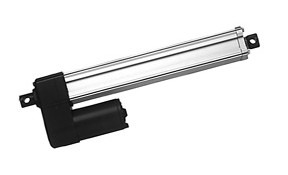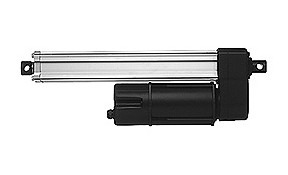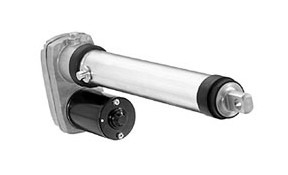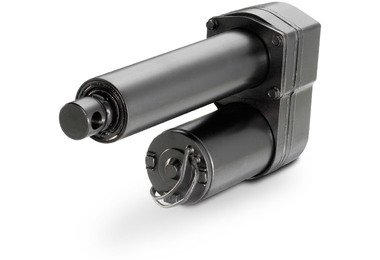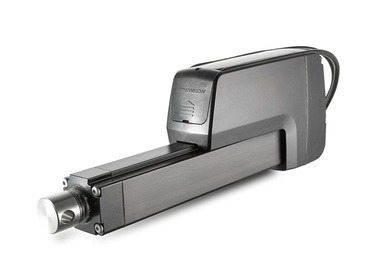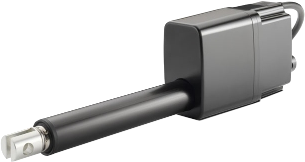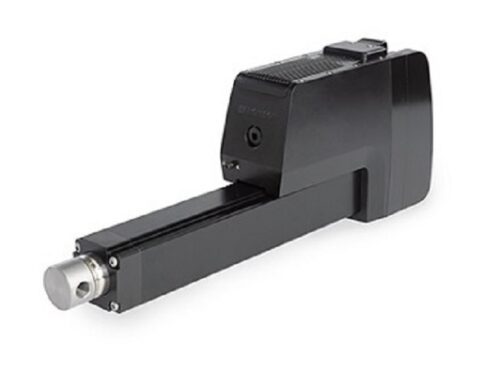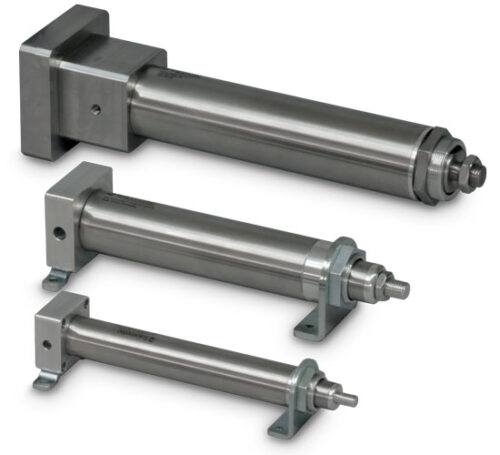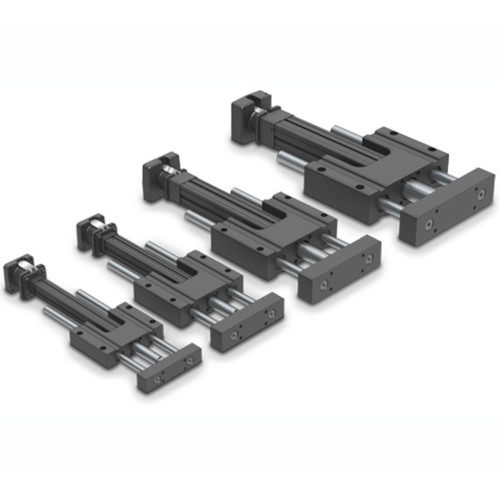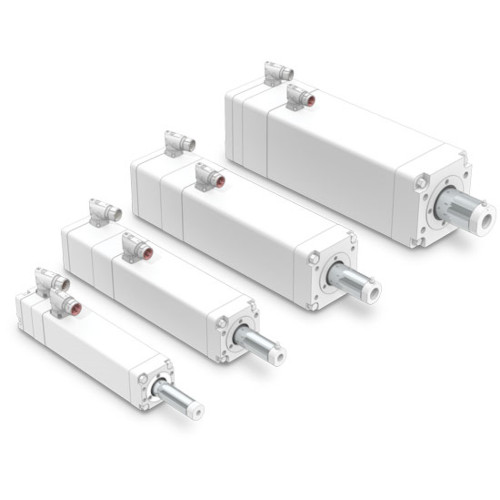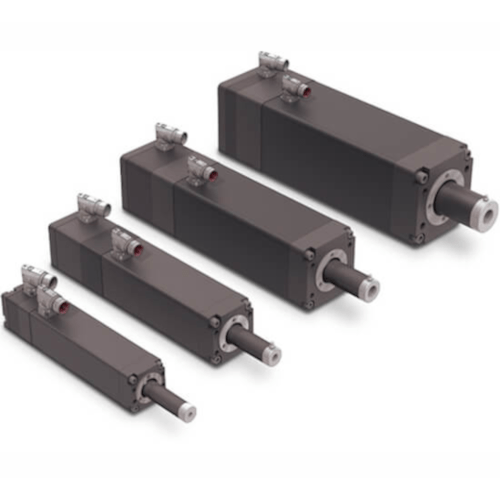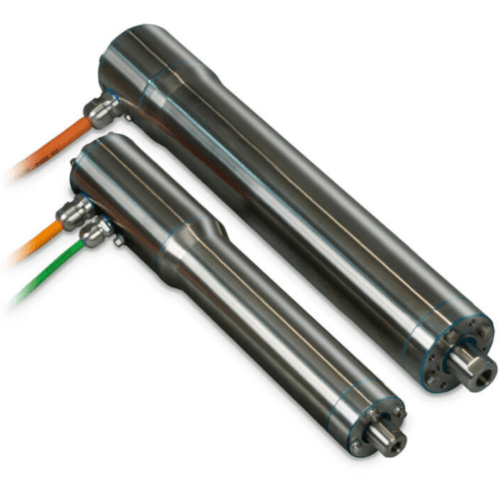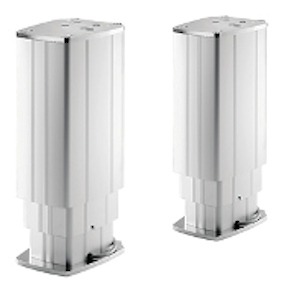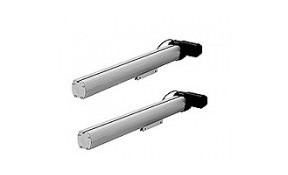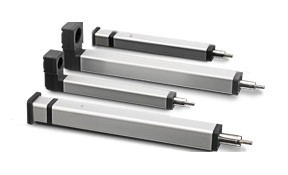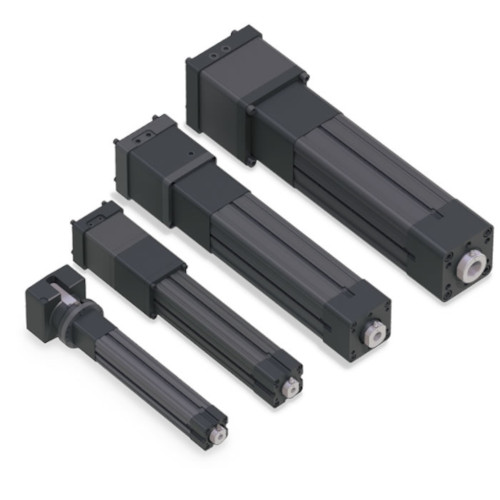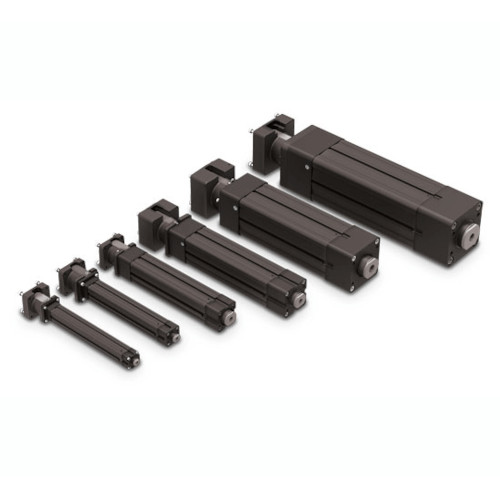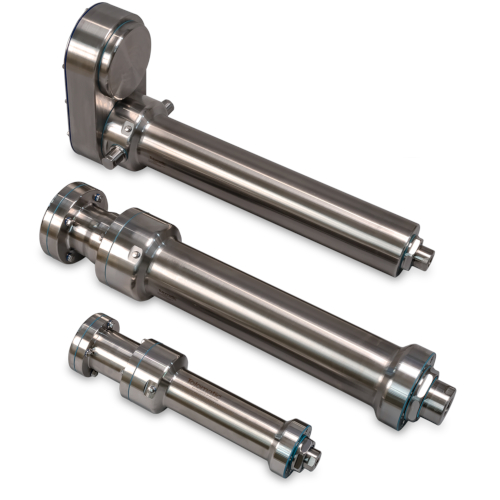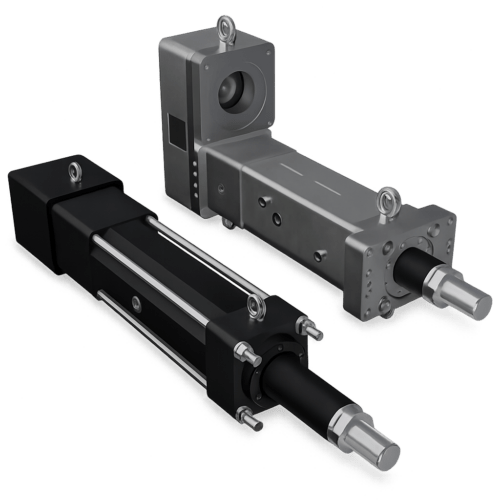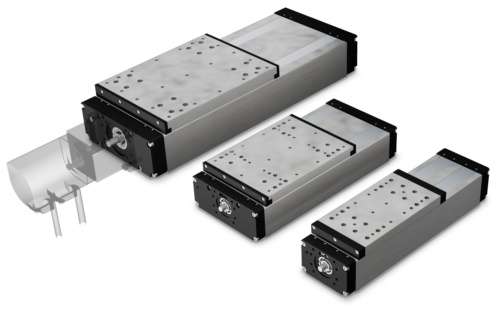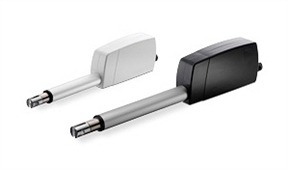
Electric linear actuators are a core part of modern industrial automation, providing precise, controllable linear motion for machinery across manufacturing, handling, packaging and machining applications. This category covers our full range of electric linear actuators, from compact servo-driven units to high‑force hydraulic replacements.
Linear Actuators for Industrial Automation
Our electric linear actuators deliver clean, efficient and highly controllable motion for handling, machining, assembly, packaging and advanced manufacturing environments. Designed for precision and reliability, they offer a modern alternative to hydraulic and pneumatic cylinders, enabling faster cycles, tighter tolerances and reduced maintenance.
Why Choose Electric Linear Actuators?
- Higher efficiency and precision — Closed-loop control provides accurate force, speed and position for demanding automation tasks.
- Cleaner and more reliable — No leaks, compressors or fluid maintenance, making them ideal for hygienic or sensitive environments.
- Flexible performance range — From compact, high-speed actuators to heavy-duty, high-force models capable of replacing hydraulic cylinders.
- Consistent, repeatable motion — Suitable for machining, pressing, lifting, indexing and multi-axis systems.
- Lower total cost of ownership — Reduced energy consumption and minimal maintenance compared to traditional systems.
Actuator Types and Capabilities
- High-force electric actuators — Hydraulic-replacement performance with precise servo control.
- High-speed actuators — Optimised for rapid indexing and pick-and-place operations.
- Precision positioning actuators — Micron-level repeatability for machining, inspection and metrology.
- Long-stroke actuators — Extended travel for handling, packaging and material movement.
- Integrated-motor actuators — Compact, all-in-one solutions that simplify machine design.
- Custom-engineered actuators — Tailored stroke lengths, mounting options, feedback devices and environmental protection.
Applications Across Industry
- Handling and assembly automation
- CNC and machining operations
- Packaging, sealing and cutting
- Pressing, forming and joining
- Robotics and multi-axis systems
- Test, measurement and inspection
- Cleanroom and hygienic environments
Visit our Actuator Applications page to explore real examples of how electric actuators improve throughput, accuracy and reliability.
Choosing the Right Actuator
Selecting the correct actuator depends on several key factors:
- Force and speed requirements
- Stroke length and available installation space
- Precision and repeatability needs
- Duty cycle and expected lifetime
- Environmental conditions such as IP rating, temperature or washdown
- Control architecture including servo, stepper or integrated drive
Our engineering team can help size and specify the ideal actuator for your machine or automation project.